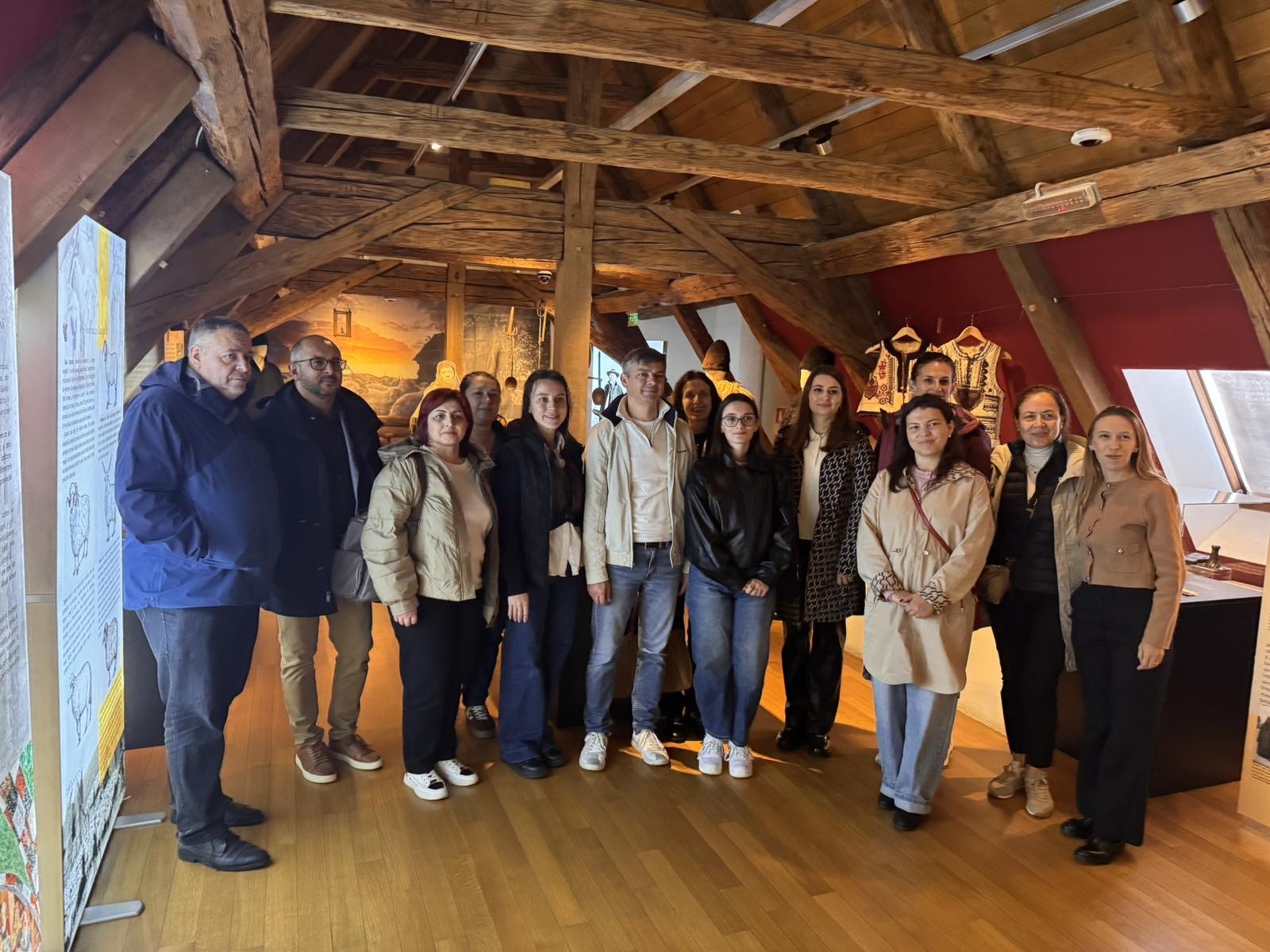
On 23–24 September 2026, the team of the Chamber of Commerce and Industry Vratsa actively participated in a peer review visit to Brașov, Romania, within the project “People Powered Tourism: empowerment of local communities through co-designing experience based transformative travel to enhance visitor economy”.
The aim of the visit was to explore the two pilot projects developed by the host partner, Brașov Metropolitan Agency, and to evaluate the activities implemented so far. CCI Vratsa was represented by Ms Maya Milova, Executive Director of CCI Vratsa and Project Coordinator, and Ms Gergana Konova, Programmes and Projects Expert.
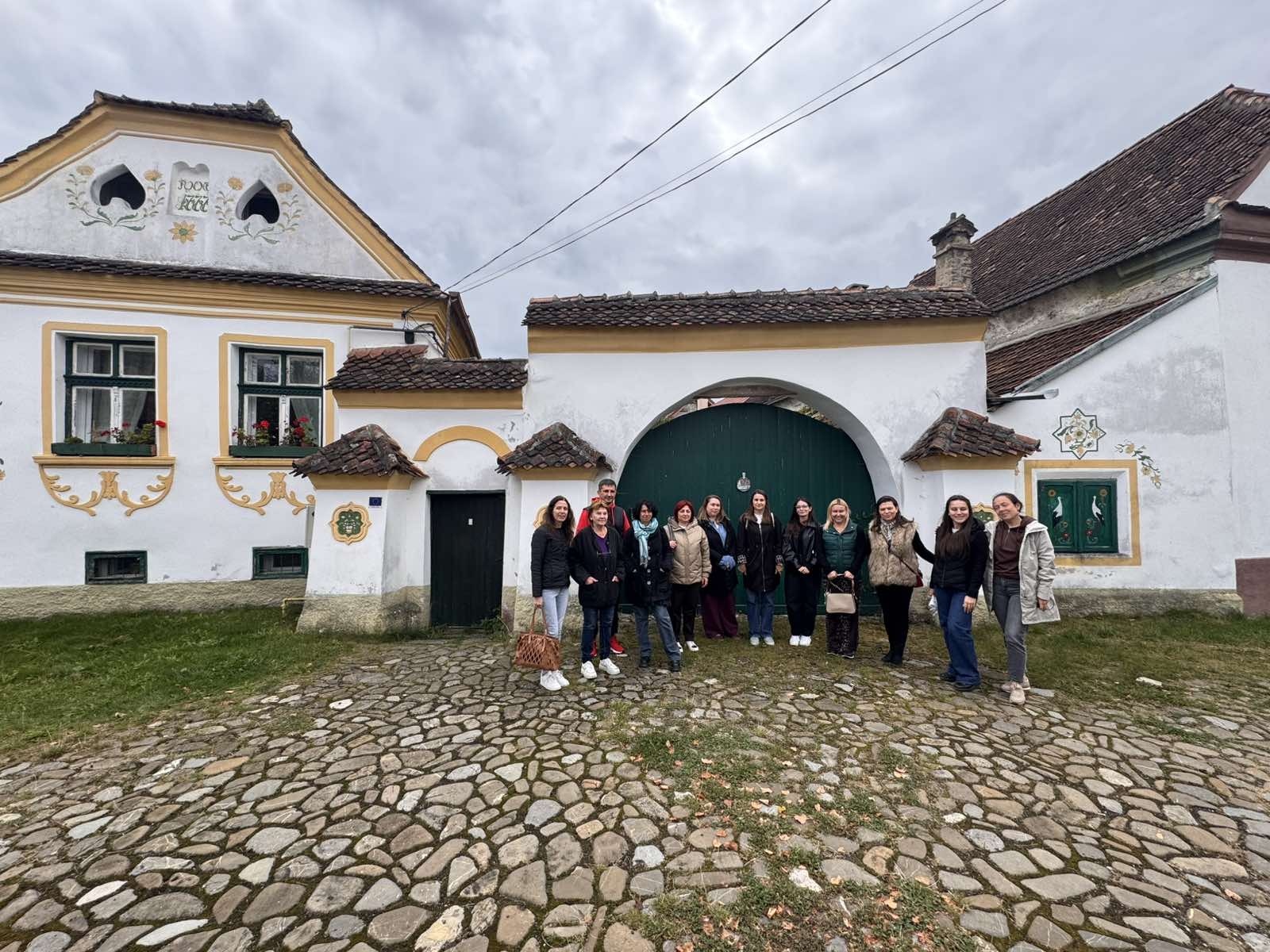
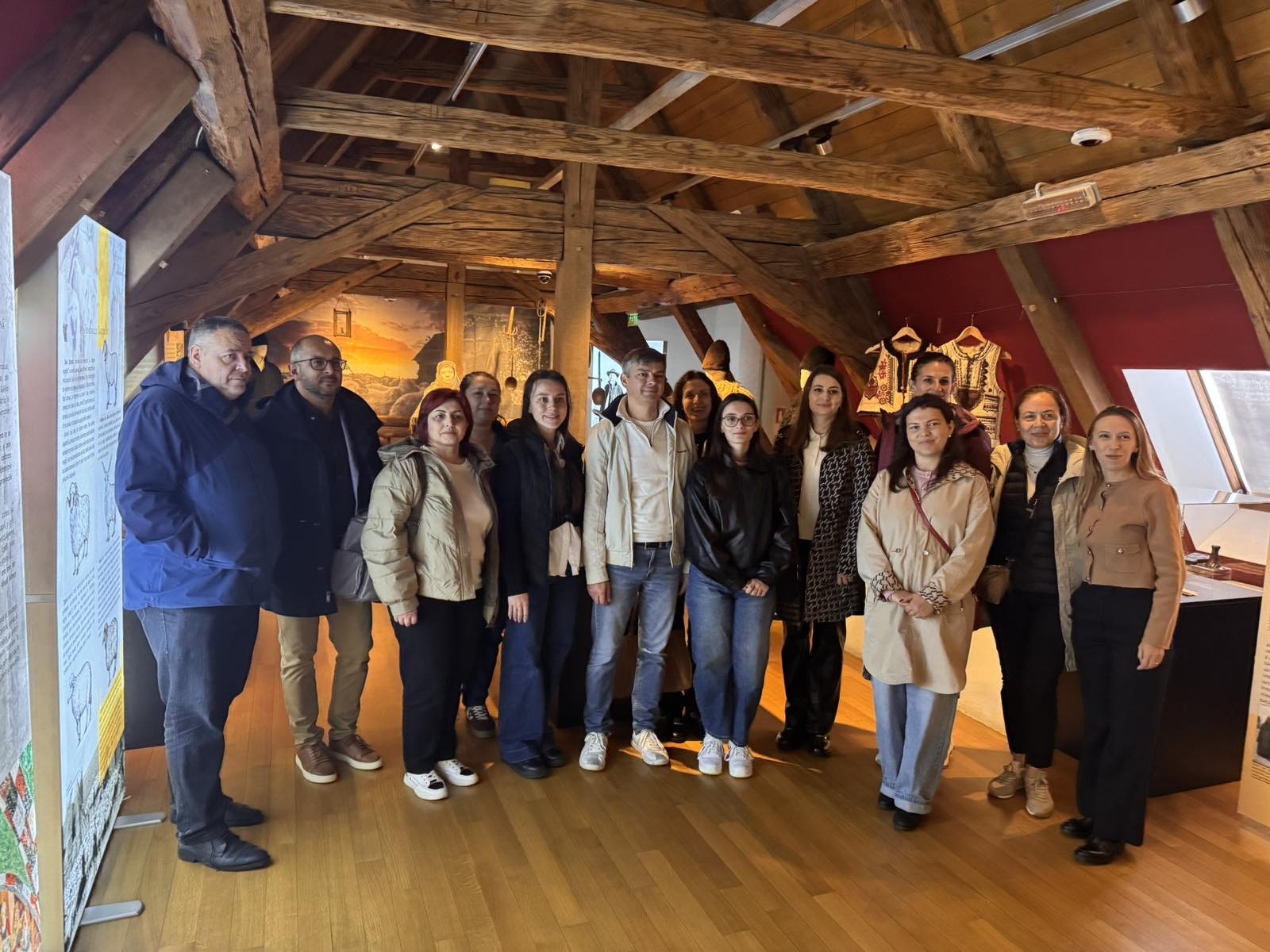
During the first day of the peer review visit, the partners followed the pilot route in the urban area of the Șchei district. The programme included visits to Casa Junilor, St. Parascheva Church, Șchei Gate, Catherine’s Gate, the Greek Orthodox Church in the city, and the Ethnographic Museum of Brasov. A local guide shared more about the significance of each site, its history, and interesting facts about the city’s past.
A practical workshop on wood painting was also organised, during which participants were introduced to traditional painting techniques, followed by a tasting of local products and regional dishes. The second part of the day included visits to some of the district’s most important historical landmarks, including the museum of the First Romanian School and St. Nicholas Church. The programme concluded with a guided tour of the neighbourhood, providing further insights into the local identity, how it has developed over the centuries, and the role it plays today.
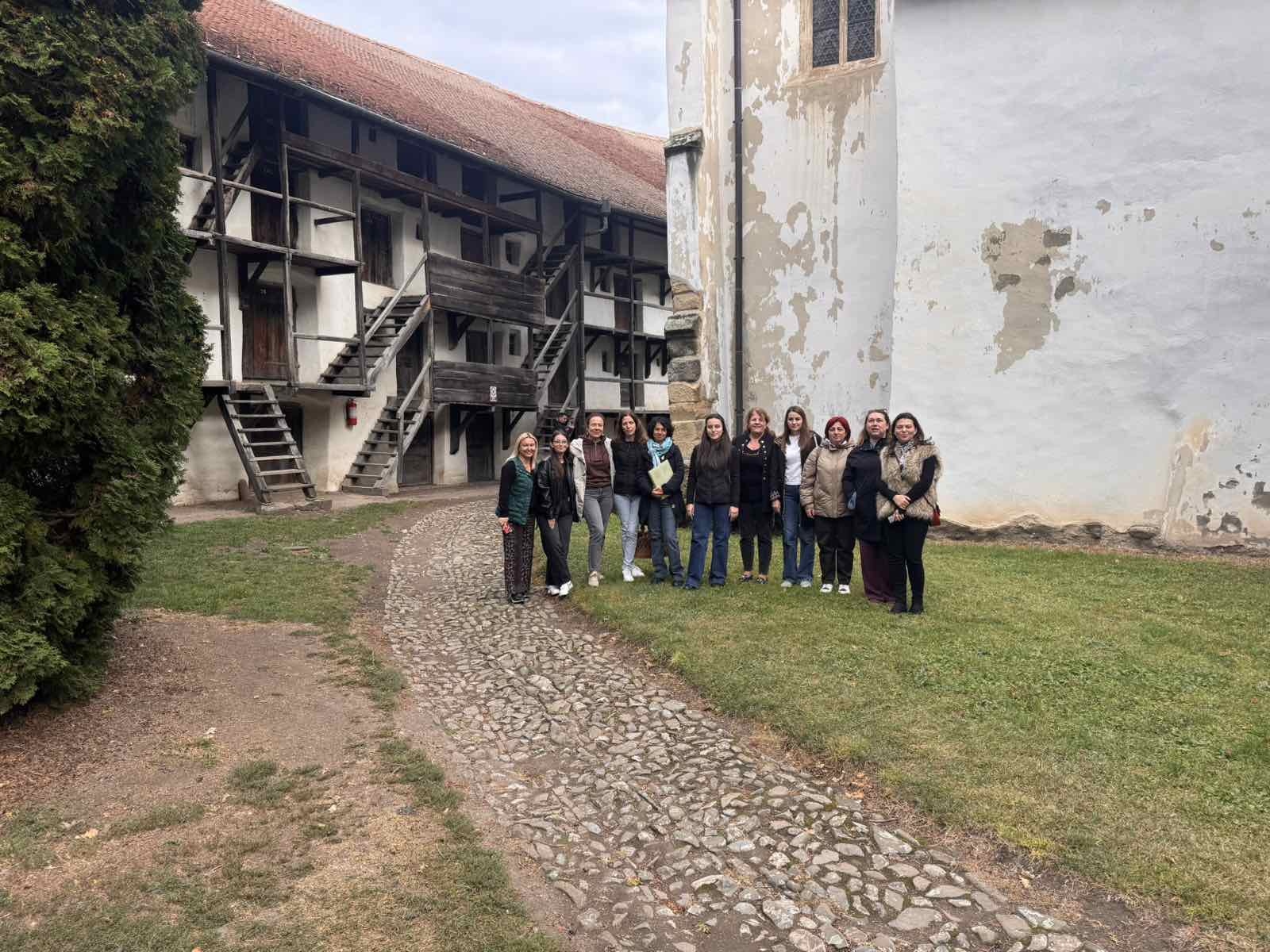
The second day of the peer review visit took place in the rural pilot area – Prejmer. Accompanied by a guide, the partners visited the fortified church as well as the orthodox Church of Saints Peter and Paul. During the visit, they also took part in two practical workshops dedicated to traditional crafts – wood craftsmanship and weaving – gaining new knowledge and skills related to local craftsmanship and intangible cultural heritage.
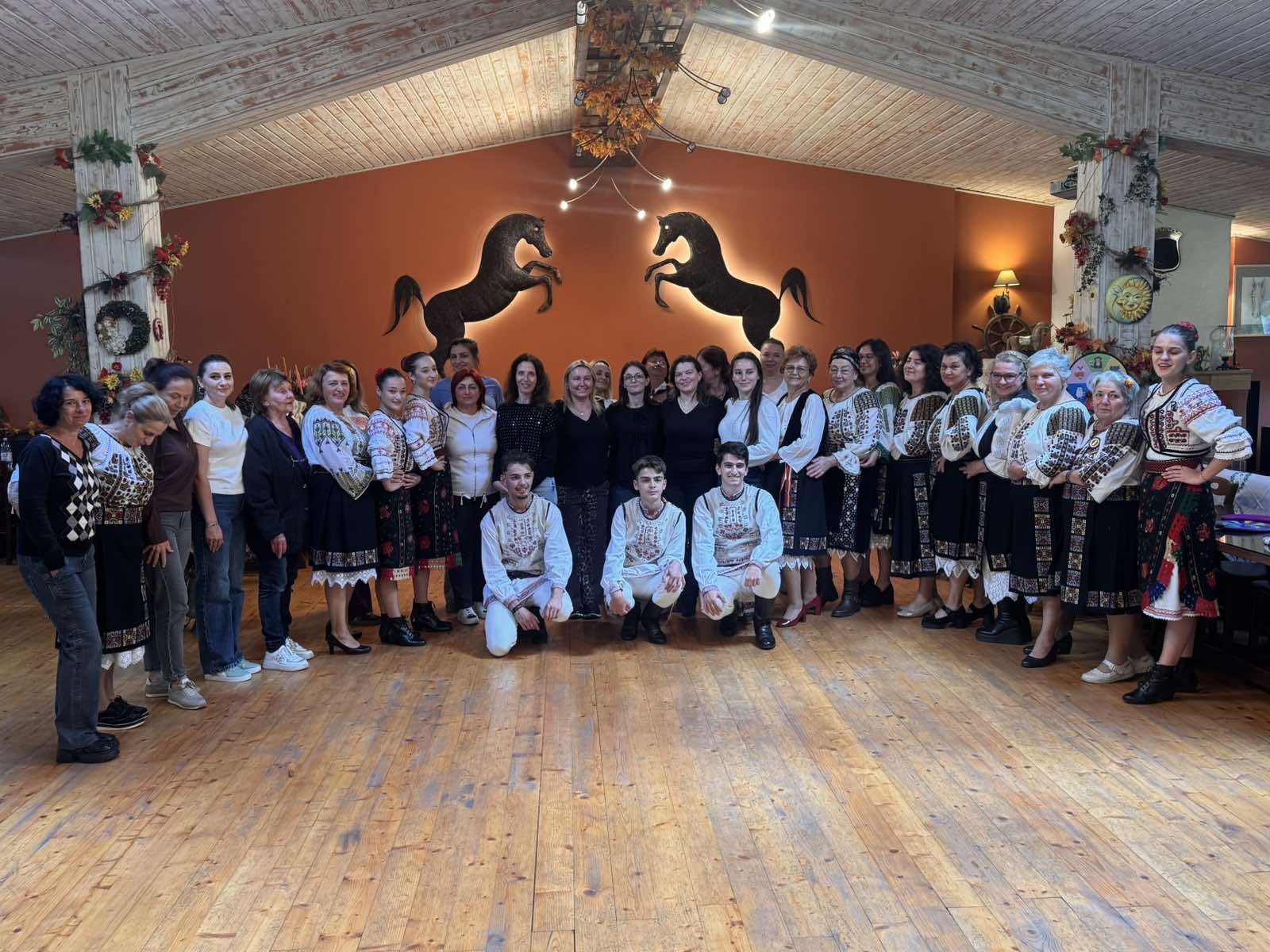
The programme also included performances of traditional dances and songs from the region. The working visit concluded with a feedback session, during which participants shared their views, comments, and suggestions on how the two pilot initiatives could be further improved.
The working visit provided CCI Vratsa with valuable ideas, experience, and good practices that can be applied in the implementation of the pilot projects in the Vratsa region.
The People Powered Tourism project partnership includes 14 organisations from 10 countries in Central and South-Eastern Europe and is led by the Municipality of Szeged, Hungary. The project addresses contemporary challenges in tourism by introducing a “visitor economy” model – an economy that places visitors and local communities at the centre of development. This approach turns people into the main driver of sustainable development, highlighting the importance of human relationships, local identities and personalised experiences that bring added value to the local economy.