On July 4th 2026 the Chamber of Commerce and Industry Vratsa organised and implemented the testing of the pilot project “Path of Experiences” in the pilot location – Bistrets neighbourhood, within the project “People Powered Tourism: Creating Sustainable Models to Support the Local Economy (People Powered Tourism – PPT)”, funded by the Interreg Danube Region Programme (DRP) 2021–2027.
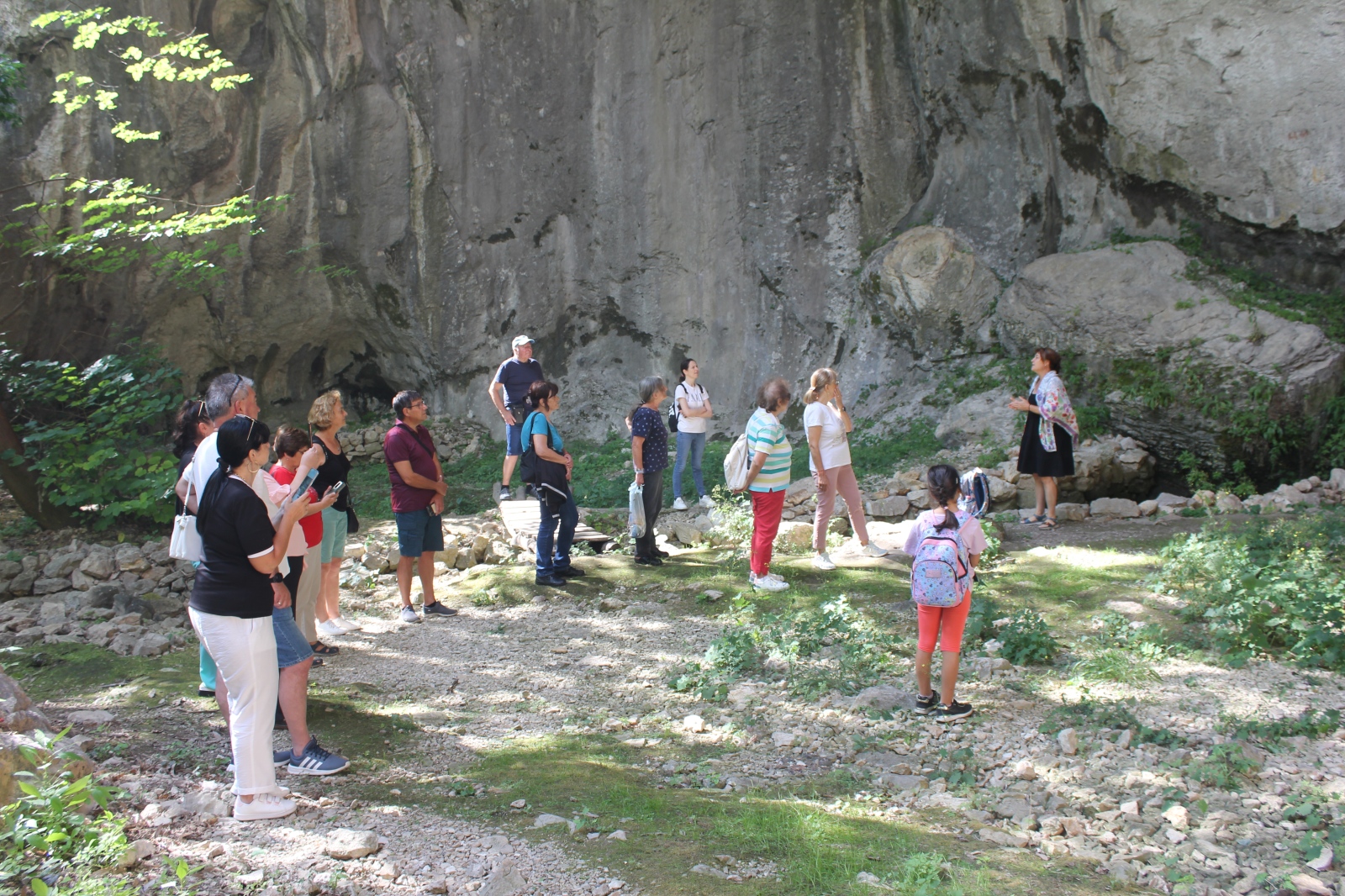
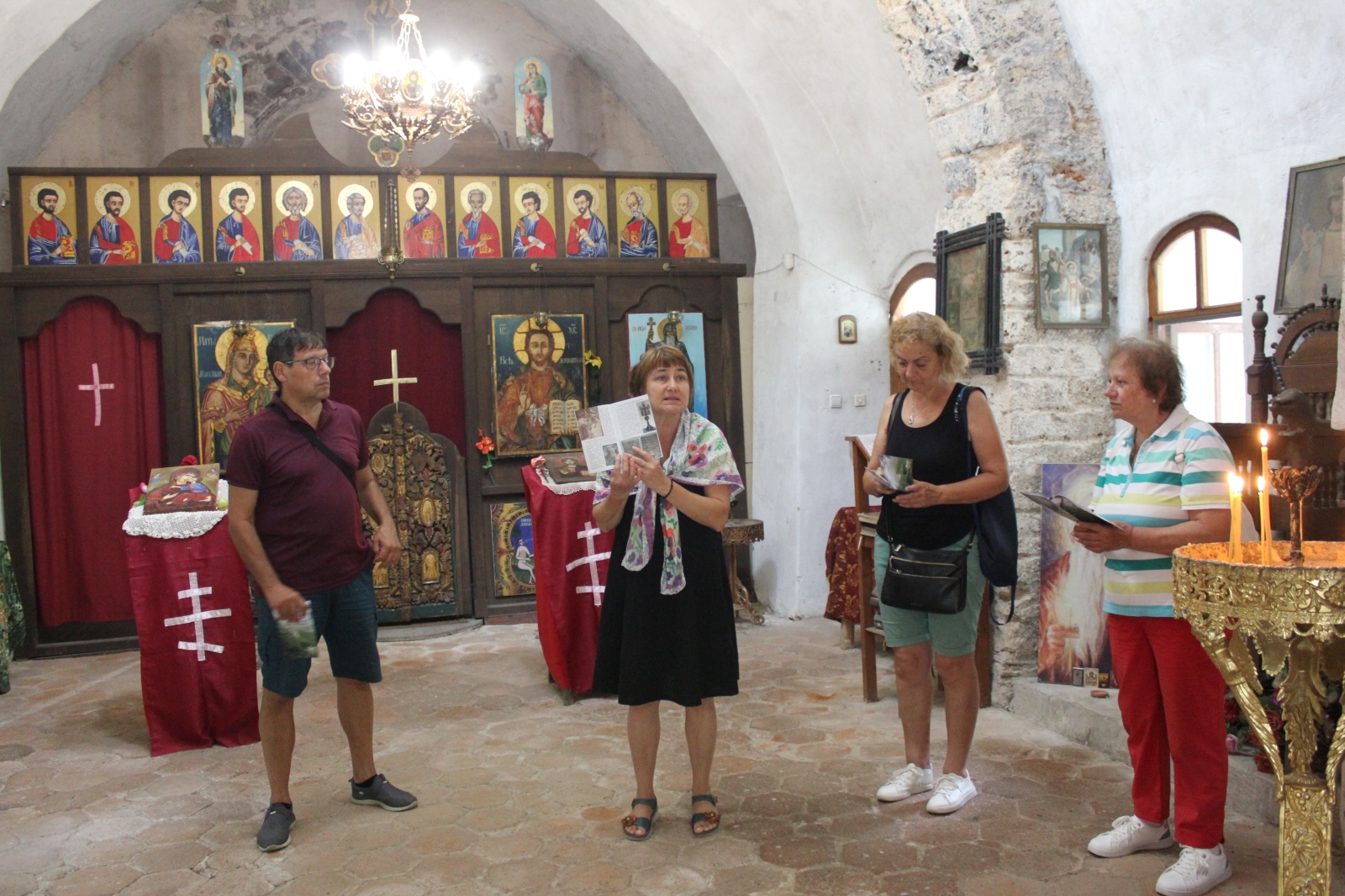
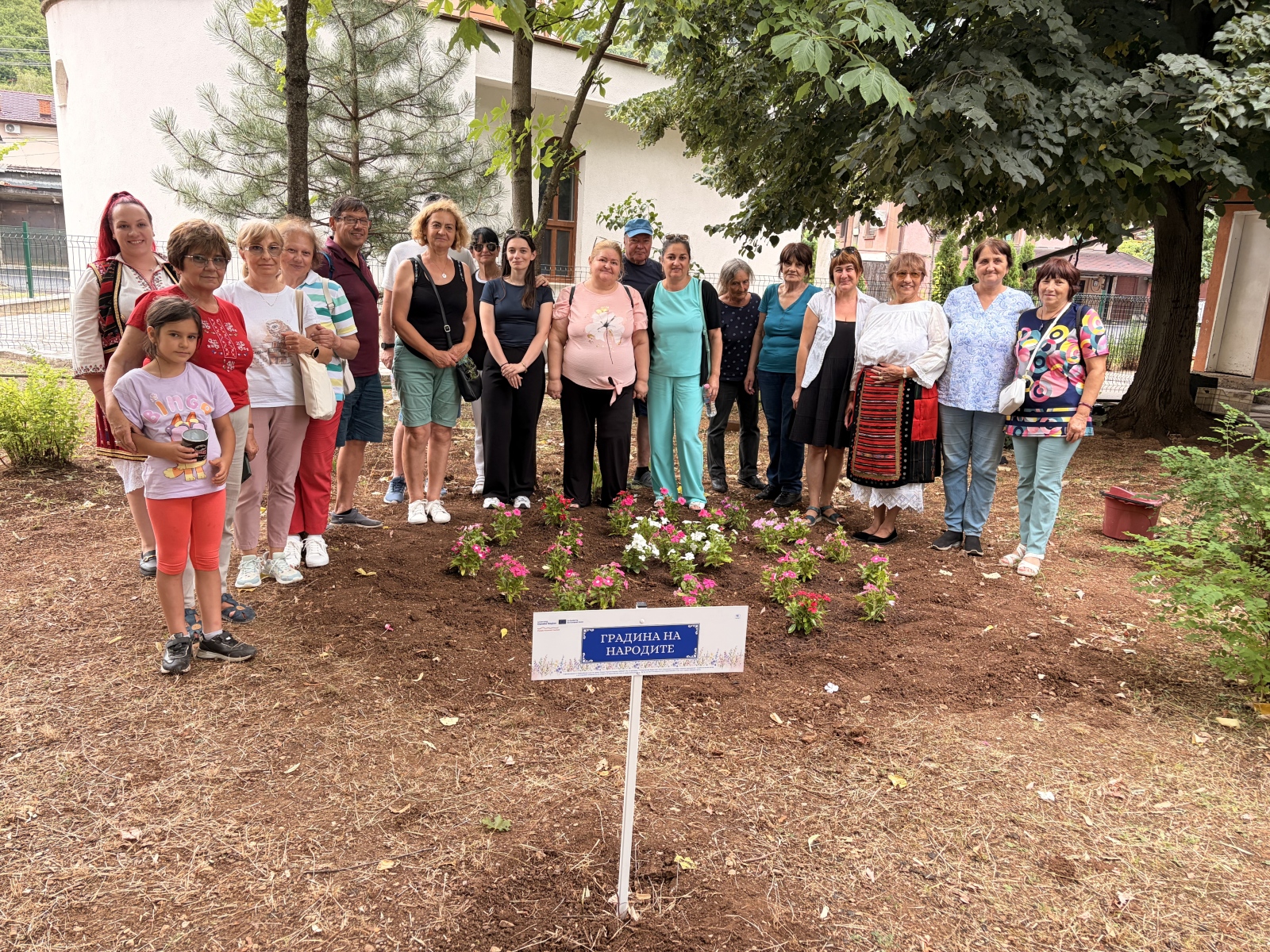
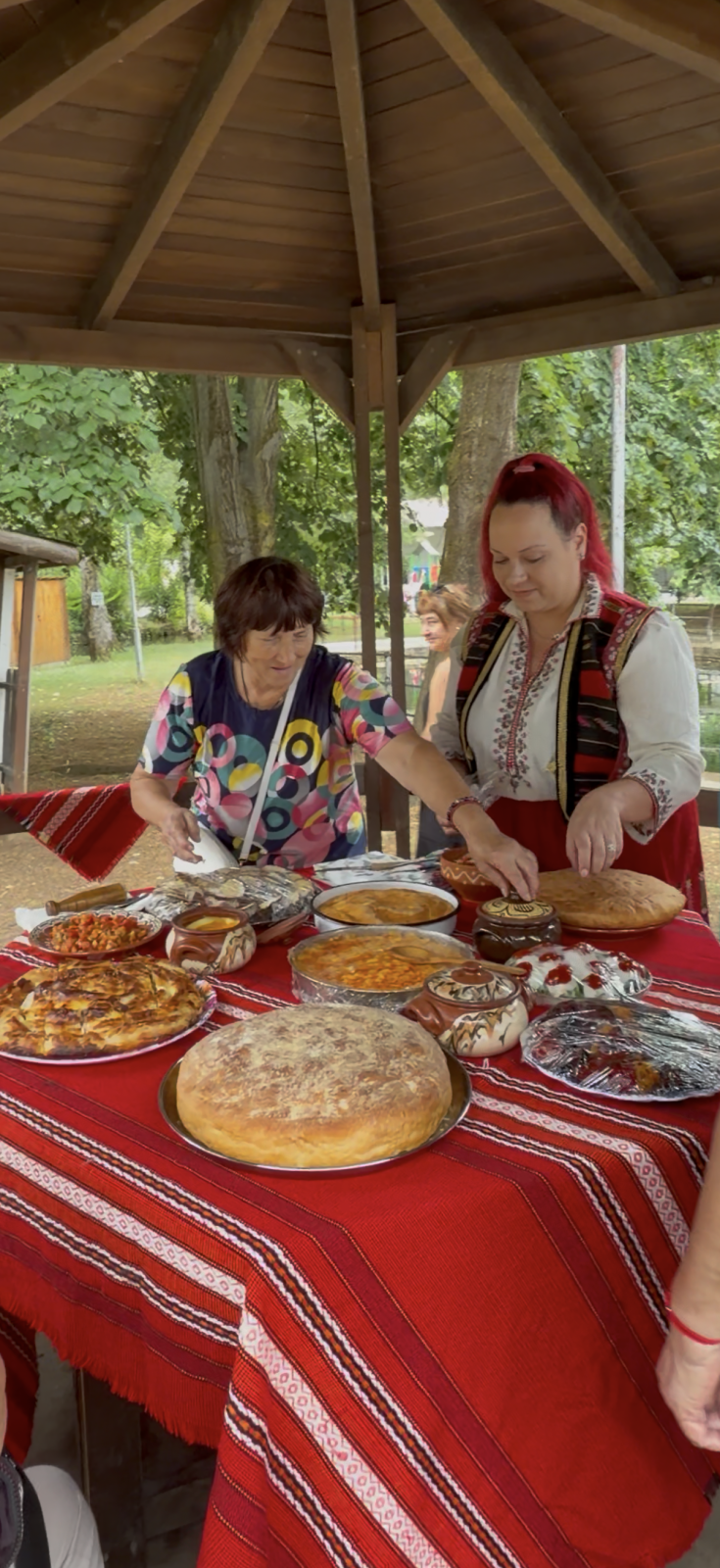
The testing aimed to collect feedback from visitors on what they liked about the pilot project, what could be improved, and how they evaluated the overall experience. Participants followed a route that included a visit to the “St. Ivan Pusti” Monastery, a culinary demonstration in the Bistrets neighbourhood, and a practical workshop in the newly established “Garden of the Nations”, created as part of the project activities.
During the visit to the “St. Ivan Pusti” Monastery, participants learned more about the history of the monastery, its functions over the centuries, as well as its restoration and current activities. The guide, engaged by CCI Vratsa, emphasised the importance of the monastery for the cultural and spiritual development of the region.
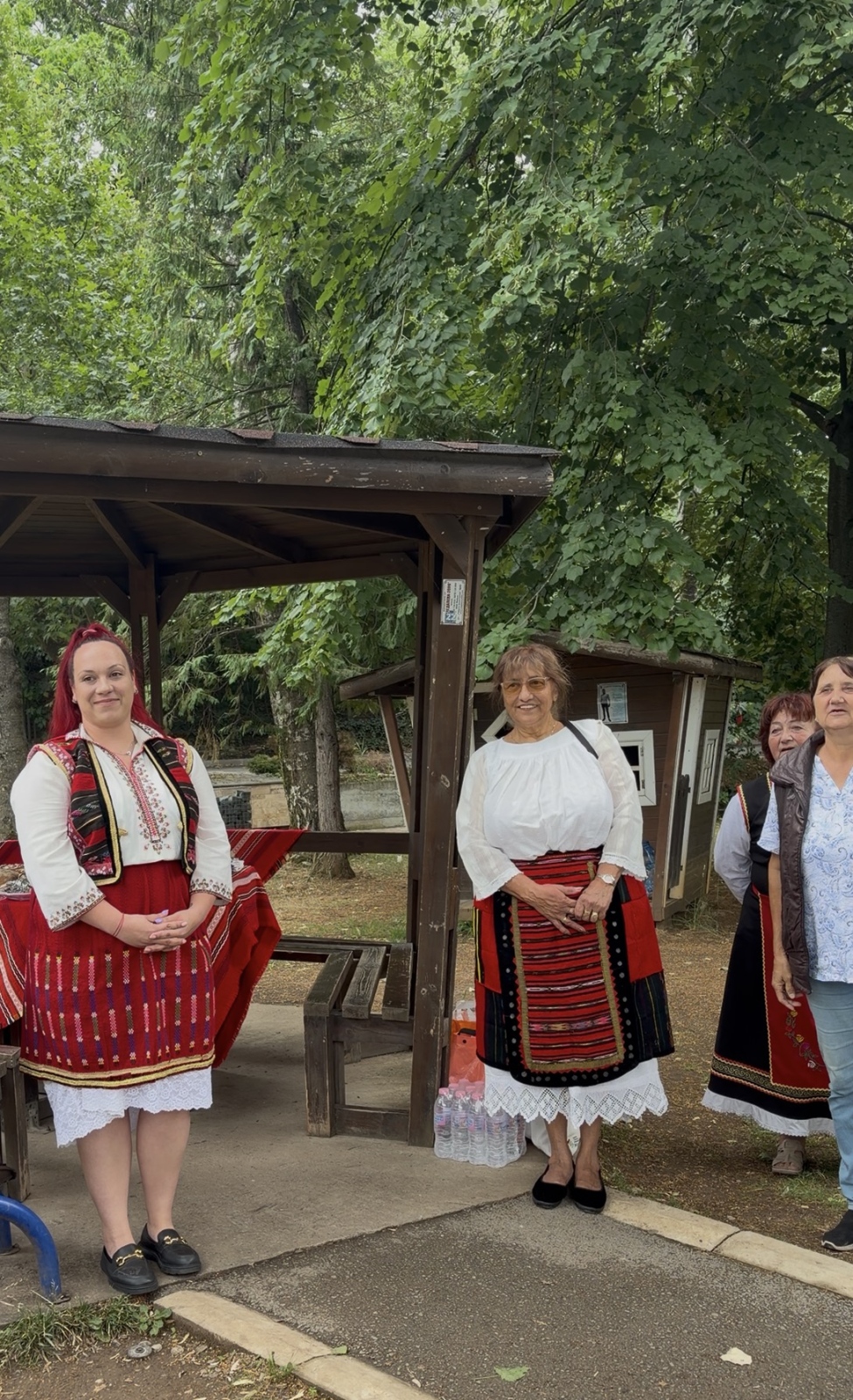
The “Path of Experiences” continued in the centre of the neighbourhood, where local residents and representatives of the “Probuda 1931” Community Centre and the “Zdravets” Seniors’ Club had prepared a culinary demonstration for all participants. Visitors had the opportunity to experience traditional dishes prepared in an authentic way, to taste them and to try out the recipes.
The programme concluded in the “Garden of the World”, where each participant planted a flower. The initiative is linked to one of the main ideas of the project – tourism destinations should be developed in a way that enables visitors to leave a positive trace behind.
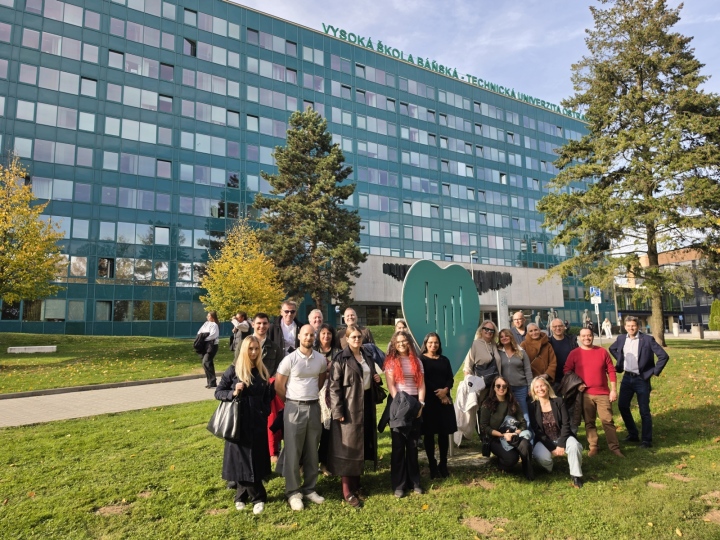
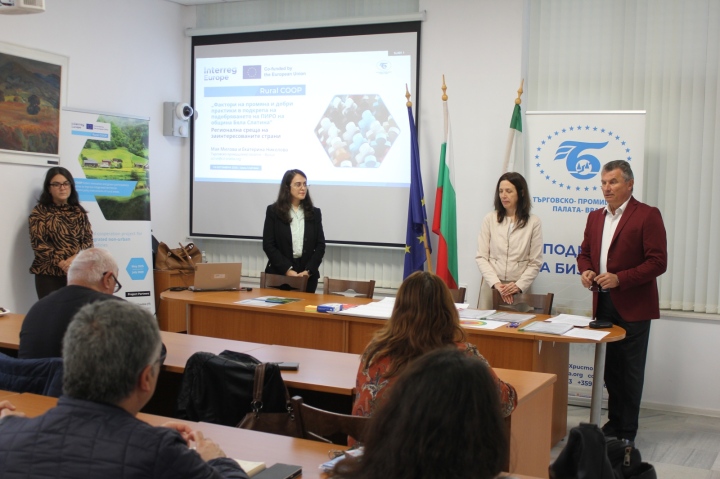
The partnership includes 14 organisations from 10 countries in Central and South-Eastern Europe and is led by the Municipality of Szeged, Hungary. The project addresses contemporary challenges in tourism by introducing a “visitor economy” model – an economy that places visitors and local communities at the centre of development. This approach turns people into the main driver of sustainable development, highlighting the importance of human relationships, local identities and personalised experiences that bring added value to the local economy.